


Farashi mai dacewa don Farin Needle Crystal ko Flake Foda High Purity Bisphenol a CAS 80-05-7
Muna kuma ƙwarewa wajen ƙarfafa tsarin kula da abubuwa da kuma hanyar QC don tabbatar da cewa za mu iya samun riba mai yawa yayin da muke cikin kasuwancin da ke da gasa sosai akan farashi mai araha don White Needle Crystal ko Flake Powder High Purity Bisphenol a CAS 80-05-7. Ya kamata ku aiko mana da takamaiman buƙatunku da buƙatunku, ko kuma ku ji daɗin yin magana da mu game da duk wata tambaya ko tambayoyi da kuke da su.
Muna kuma ƙwarewa wajen ƙarfafa tsarin kula da abubuwa da kuma hanyar QC don tabbatar da cewa za mu iya samun riba mai yawa yayin da muke cikin kasuwancin gasa mai ƙarfi, Ma'aikatanmu suna bin ruhin "Ci gaban da ya dogara da mutunci da hulɗa", da kuma ƙa'idar "Inganci na aji ɗaya tare da Sabis Mai Kyau". Dangane da buƙatun kowane abokin ciniki, muna ba da ayyuka na musamman da na musamman don taimaka wa abokan ciniki cimma burinsu cikin nasara. Barka da abokan ciniki daga gida da waje don kira da tambaya!
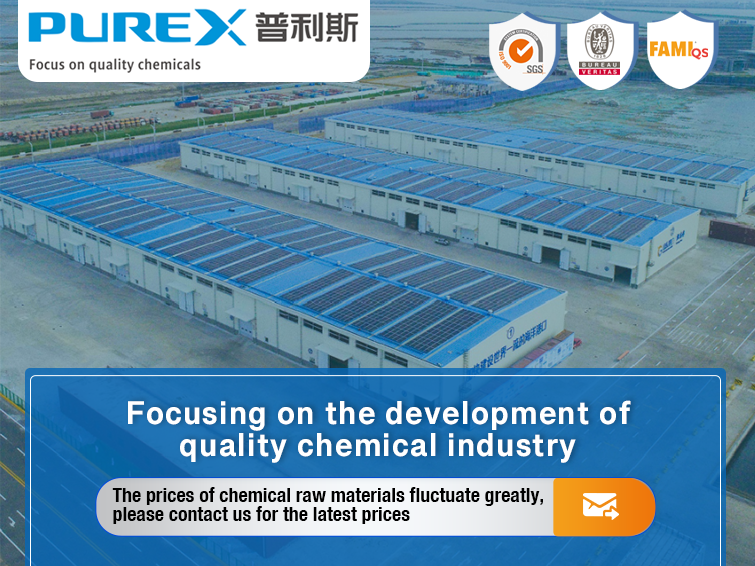
Ya kamata yanayin ajiya na bisphenol A ya dogara ne akan manyan manufofin "hana lalacewa, tabbatar da aminci, da kuma guje wa tasirin muhalli".
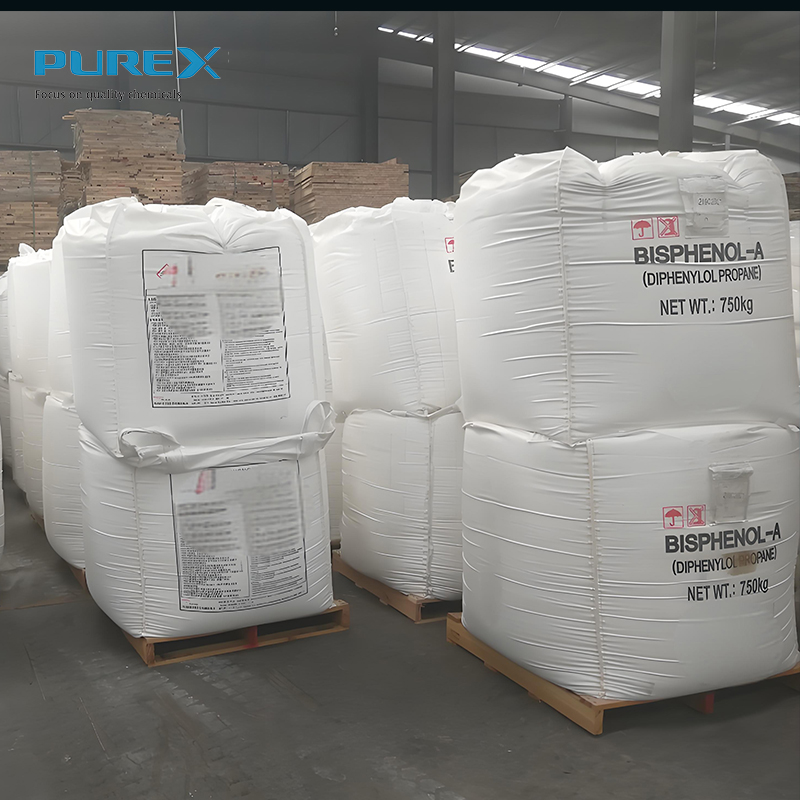
Amfani da Bisphenol A (BPA)
Bisphenol A (BPA) muhimmin abu ne na albarkatun ƙasa don haɗa polycarbonates, resin epoxy, da polyesters masu jure zafi mai yawa. Haka kuma ana amfani da shi azaman mai daidaita PVC, maganin hana tsufa na filastik, mai sha UV, maganin kashe ƙwayoyin cuta, da sauransu.
A matsayin wani sinadari mai amfani da yawa, ana amfani da BPA sosai wajen samar da resin epoxy, polycarbonates, resin polyester, resin polyphenylene ether, da resin polysulfone. Bugu da ƙari, yana aiki a matsayin mai daidaita polyvinyl chloride (PVC), maganin hana tsufa a cikin robobi, mai shan UV, maganin kashe ƙwayoyin cuta na noma, da kuma maganin hana tsufa a cikin roba.
Ana kuma amfani da shi a matsayin maganin hana tsufa da kuma mai hana plasticizer a fenti da tawada. A cikin hadakar kwayoyin halitta, BPA yana aiki a matsayin muhimmin sinadari don kera resin epoxy da polycarbonate, kuma ana amfani da shi sosai a matsayin muhimmin abu ga mahaɗan roba masu yawan ƙwayoyin halitta, da kuma a cikin magungunan hana tsufa, masu hana plasticizers, da kuma magungunan kashe ƙwayoyin cuta na noma.
1. Ingancin Isarwa & Ingantaccen Aiki
Muhimman Abubuwa:
Cibiyoyin adana kayayyaki masu mahimmanci a rumbunan ajiya na tashar jiragen ruwa ta Qingdao, Tianjin, da Longkou tare da fiye da 1,000
metric tons na hannun jari da ake samu
Kashi 68% na oda da aka bayar cikin kwanaki 15; an fifita oda ta gaggawa ta hanyar jigilar kayayyaki ta gaggawa
tashar (haɓaka kashi 30%)
2. Bin Dokoki da Inganci
Takaddun shaida:
An ba da takardar shaida sau uku a ƙarƙashin ƙa'idodin REACH, ISO 9001, da FMQS
Ya bi ƙa'idodin tsafta na duniya; ƙimar nasarar share kwastam 100% ga
shigo da kayayyaki daga Rasha
3. Tsarin Tsaron Mu'amala
Maganin Biyan Kuɗi:
Sharuɗɗan sassauci: LC (gani/lokaci), TT (20% a gaba + 80% bayan jigilar kaya)
Shirye-shirye na musamman: LC na kwanaki 90 don kasuwannin Kudancin Amurka; Gabas ta Tsakiya: 30%
ajiya + biyan kuɗi na BL
Warware takaddama: Tsarin amsa na awanni 72 don rikice-rikicen da suka shafi oda
4. Kayayyakin Samar da Kayayyaki na Agile
Cibiyar Sadarwa ta Modal:
Jigilar jiragen sama: jigilar kaya ta kwana 3 don jigilar propionic acid zuwa Thailand
Sufurin Jirgin Kasa: Hanyar calcium mai mahimmanci zuwa Rasha ta hanyoyin Eurasia
Maganin TANK na ISO: Jigilar sinadarai kai tsaye (misali, propionic acid zuwa
Indiya)
Inganta Marufi:
Fasaha ta Flexitank: Rage farashi 12% ga ethylene glycol (idan aka kwatanta da ganga ta gargajiya)
marufi)
Calcium formate/Sodium Hydrosulfide mai tsarin gini: Jakunkunan PP masu jure da danshi 25kg
5. Yarjejeniyar Rage Haɗari
Ganuwa Daga Ƙarshe Zuwa Ƙarshe:
Bin diddigin GPS na ainihin lokaci don jigilar kwantena
Ayyukan dubawa na ɓangare na uku a tashoshin jiragen ruwa da za a je (misali, jigilar acetic acid zuwa Afirka ta Kudu)
Tabbatar da Talla bayan Talla:
Garanti na inganci na kwanaki 30 tare da zaɓuɓɓukan maye gurbin/mayar da kuɗi
Na'urorin sa ido kan yanayin zafi kyauta don jigilar kwantena masu sake yin amfani da su
Lokacin amsawar Bisphenol a abu ne da ba za a iya watsi da shi ba. Lokacin amsawar dukkan tsarin hadawa yana kimanin awanni 3-5. Idan lokacin ya yi gajere, amsawar ba za ta cika ba, kuma idan ya yi tsayi da yawa, yana iya haifar da matsaloli kamar Bisphenol polymerization, wanda ke shafar ingancin samfurin. Yawan juyawa zai shafi daidaiton amsawar. Matsakaicin juyawa mai dacewa zai iya sa masu amsawa su gauraya gaba ɗaya. Gabaɗaya, saurin juyawa yana saitawa a ɗaruruwan juyi a minti ɗaya don tabbatar da haɗuwa iri ɗaya na duk abubuwan da ke cikin tsarin amsawar da kuma hanzarta saurin amsawar. Yawan ruwa yana buƙatar a takaita shi sosai a samarwa. Ya kamata a sarrafa yawan ruwa a cikin tsarin amsawar a matakin ƙasa, yawanci ba zai wuce 0.1% ba. Yawan ruwa zai shafi aikin mai kara kuzari sannan ya tsoma baki tare da tsarin amsawar Bisphenol.
Nau'ikan samfura
-
Manufacturer OEM Pellet Pearl Flakes 50% 99% Don haka...
-

OEM Supply Factory Direct Sales Chemical Sodium ...
-

Tsarin Musamman don China Mai Tsarkakakken Calcium Fo ...
-
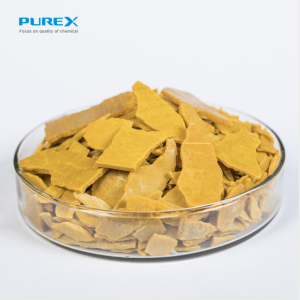
Ƙwararrun masana'antar Sinanci 70% Nahs Sodium Hydrosulfide...
-
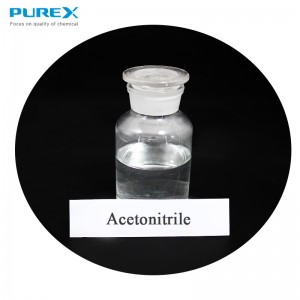
Farashin da ya dace don HPL mara launi mai inganci ...
-
Sabon Isar da Kaya ga Babban Wakilin China Dahua Brand Td...